About Meridian Cooling
With over 30 years of practical industry experience, Meridian Cooling are HVAC contractors specialising in all aspects of air conditioning, ventilation and air source heat pumps for both residential and commercial properties in Bournemouth, Poole and Southampton.
Our team of technicians are fully qualified and come with a wealth of knowledge in all types of cooling equipment, ensuring your experience with us is as simple and straightforward as possible.


Want to find out more about our air conditioning, air source heat pumps and ventilation services in Dorset and Hampshire? Contact our HVAC company today!
Fast, Professional Air Conditioning and Ventilation Services Across Dorset and Hampshire
We’re committed to offering each client a tailored range of air conditioning and refrigeration solutions that balance affordability, reliability, and environmental responsibility.
Our systems are designed not just for today, but with tomorrow in mind, helping you stay on track toward net zero goals and ensuring your building remains compliant and efficient well into the future.
At Meridian Cooling, we deliver a first-class customer experience. You’ll have a dedicated, knowledgeable service team managing your account from day one, with full guarantees provided on all equipment.
Our industry expertise is second to none, and every one of our engineers is fully qualified to safely handle and dispose of refrigerants. We’re here to help you future-proof your building and avoid the risk of it becoming a stranded asset in a rapidly changing regulatory landscape.
Strong Partnerships That Drive Results
We are proud of our longstanding business relationships with some of the leading manufacturers in the UK and overseas, and it is these relationships that enable us to provide our Poole, Bournemouth and Southampton customers with more extensive parts warranties and manufacturers’ warranties.
Our team of air conditioning and ventilation specialists are also able to offer an ongoing care and support package for your solutions, combining regular high-quality maintenance with emergency breakdown cover in accordance with manufacturers’ conditions.
As a trusted HVAC company, we deliver continuity and confidence from installation through to aftercare.
Our HVAC Company Provides Tailored Solutions Across Sectors
Our contractors understand that every project is unique, and so we work hard to provide our clients with an effective, affordable solution that is simple to use and long-lasting. We are always confident we can deliver a high-quality result for your project by taking the time to understand your specific needs, regardless of whether you are at home or at work.
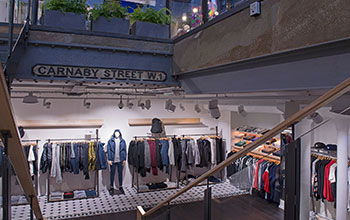
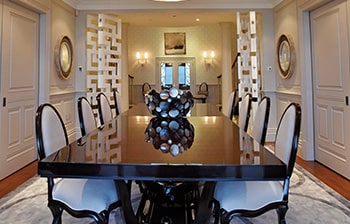
Having proven experience in both the private and public sector, we have successfully completed projects for a wide range of clients across all types of working environments, from residential properties and factories to retail outlets and sports centres.
As a forward-thinking HVAC company, we combine technical know-how with customer care to meet the demands of today’s energy-efficient environments.
Our exceptional products and professional approach set us apart from the competition, with our technicians working to understand the unique requirements of each customer in order to provide a range of suitable solutions quickly and efficiently.
Let us be the HVAC company to take care of all your air conditioning, air source heat pumps and ventilation needs in Dorset and Hampshire – contact our team today!